Tank vs. Tankless Water Heaters: What’s Right for Your Home?
Choosing the right water heater is one of the most important decisions homeowners face when upgrading their plumbing systems or improving household efficiency. The debate between tank and tankless water heaters has grown significantly in recent years as technology advances and energy costs continue to rise. While traditional tank water heaters have been relied on for decades, tankless systems offer a modern, on-demand solution that appeals to homeowners seeking efficiency, longevity, and performance. Understanding how each system works, what it costs, and how it performs under real household conditions is essential before making an investment.
As water heating accounts for a significant portion of home energy consumption, selecting the right system directly impacts comfort, savings, and sustainability. Factors such as household size, hot water usage habits, installation requirements, and long-term maintenance responsibilities all play a role in the decision. Whether you’re upgrading an outdated water heater or choosing a system for a newly built home, having a clear comparison of tank vs. tankless water heaters empowers you to make a confident, cost-effective choice that aligns with your needs. This blog breaks down everything you need to know in a professional, practical, and easy-to-understand approach.
Understanding How Each System Works
How Tank Water Heaters Operate
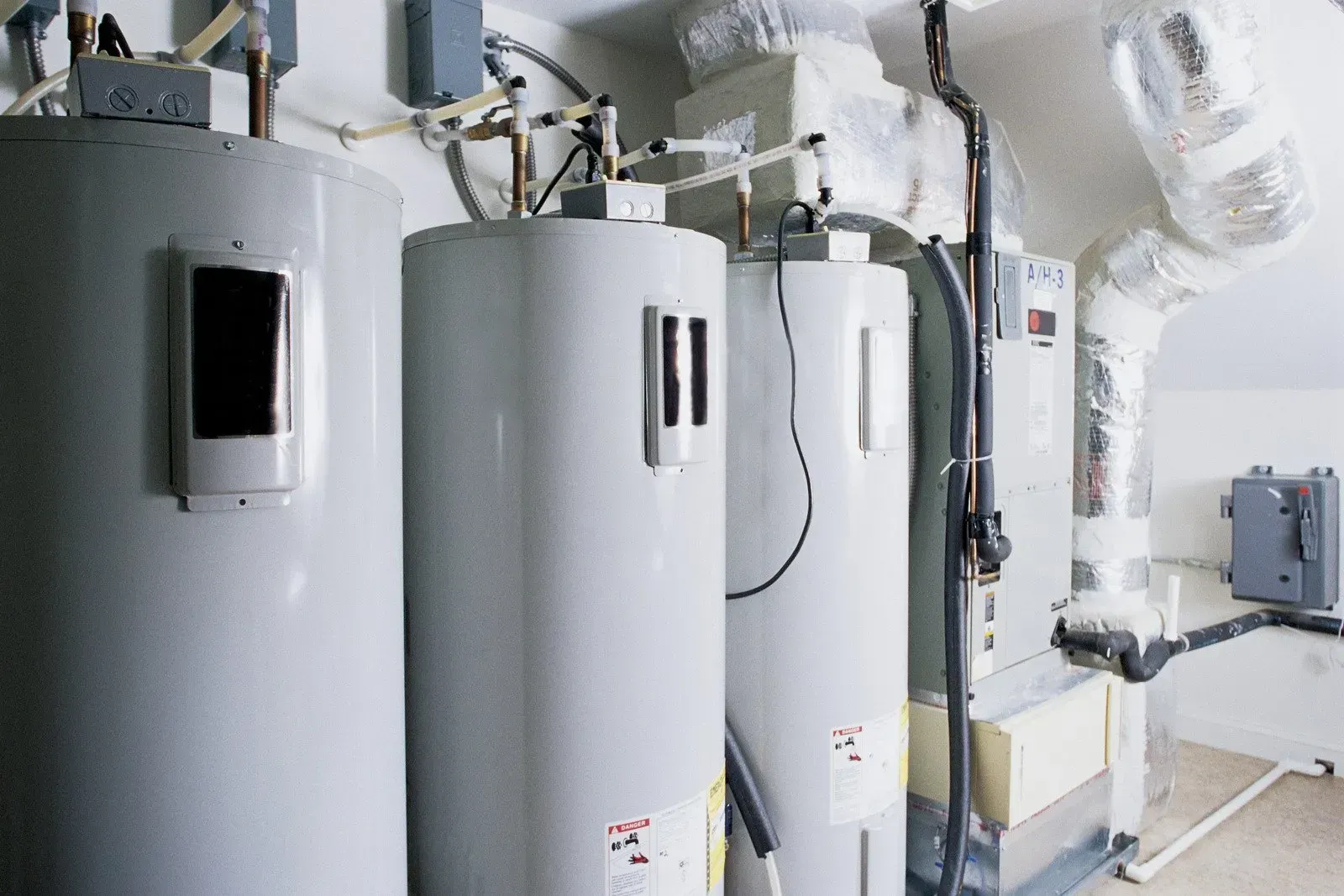
Tank water heaters store a large volume of hot water—typically 30 to 80 gallons—in an insulated tank. The system continuously heats water to maintain a pre-set temperature, ensuring hot water is ready whenever needed. Because they store heated water, tank heaters can experience standby heat loss, meaning energy is consumed even when hot water is not in use. Their simple mechanical design makes them widely available, affordable, and easy to service.
How Tankless Water Heaters Operate
Tankless systems, often called on-demand water heaters, heat water only when someone turns on a faucet or appliance. Instead of storing heated water, the system uses high-powered burners or electric coils to warm water instantly as it flows through the unit. This eliminates standby heat loss and provides theoretically endless hot water, but it requires adequate gas or electrical capacity to function at peak output.
Key Operational Differences That Matter
The biggest distinction between tank and tankless models lies in energy use and hot water availability. Tank systems excel at delivering immediate hot water in moderate quantities, while tankless systems shine in providing continuous hot water with higher efficiency. Understanding your household’s usage patterns is essential before choosing between the two.
Comparing Energy Efficiency and Operating Costs
Energy Consumption of Tank Units
Tank water heaters are known for higher energy use due to constant reheating. Even with insulation upgrades, energy loss still occurs as water cools inside the tank when not being used. For households that consume moderate to high amounts of hot water throughout the day, the cost of reheating water can add up significantly.
Tankless Efficiency Advantages
Tankless water heaters are designed to eliminate wasted energy. By heating water only when needed, they often operate with 20–40% greater energy efficiency compared to standard tank systems. Homeowners who regularly use hot water at staggered intervals—such as morning showers, evening dishwashing, and occasional laundry cycles—maximize savings with tankless units.
Long-Term Cost Considerations
While tankless water heaters generally cost more upfront, they tend to reduce monthly utility bills and last nearly twice as long. Tank units have lower initial purchase and installation expenses, making them ideal for budget-conscious upgrades, but they may require more frequent replacement and ongoing energy consumption. Determining which system is more cost-effective requires balancing upfront affordability with long-term savings potential.
Installation Requirements and Home Compatibility
Space and Location Needs
Tank water heaters require dedicated space—often a utility closet, garage, or basement—with sufficient room around the tank for safety and maintenance access. In smaller homes or older properties, finding adequate space can be challenging.
Tankless water heaters, on the other hand, are compact and wall-mounted, making them ideal for homes with limited utility space. They can be installed indoors or outdoors, depending on climate, ventilation needs, and model type.
Electrical and Gas Considerations
Tankless systems often require upgraded gas lines or increased electrical capacity due to their high-demand heating power. These upgrades may add to installation costs. Tank systems generally do not require major electrical or gas modifications unless replacing with a significantly larger unit.
Ventilation and Safety Factors
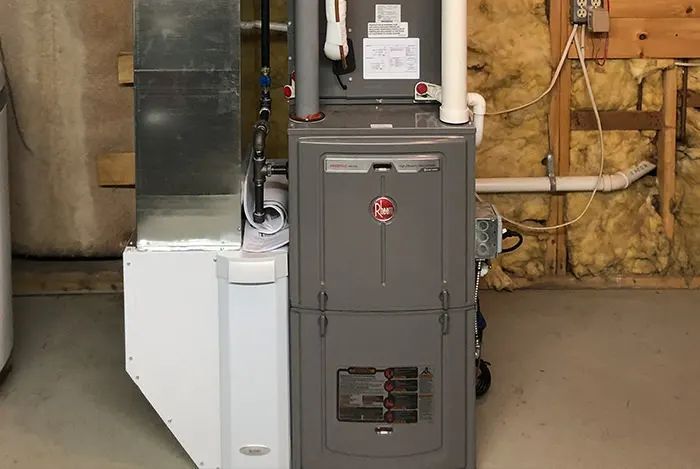
Both systems must meet proper ventilation requirements. Tank units commonly use natural draft or power-vent systems, while tankless units require direct venting to handle the higher heat output during operation. Professional installation ensures code compliance, safe setup, and optimal performance.
Real-World Installation Scenarios
A small condo with restricted utility space often benefits from a tankless system, while a larger home with existing tank infrastructure may find it more cost-effective to install another tank heater. Evaluating home layout and utility capacity is critical for determining compatibility.
Performance, Capacity, and Hot Water Availability
Hot Water Delivery in Tank Systems
Tank water heaters are designed to deliver hot water stored in the tank until the supply runs out. Once empty, the unit must refill and reheat water, which can take anywhere from 20 to 60 minutes. For larger households, this gap between hot water availability can be inconvenient.
Tankless Flow Rate Capabilities
Tankless water heaters measure output in gallons per minute (GPM). While they produce endless hot water, their ability to supply multiple simultaneous fixtures depends on their flow rate. Running a shower, dishwasher, and washing machine at the same time may exceed a tankless unit’s capacity unless sized appropriately.
Ideal Household Types for Each System
Tank systems work well in homes with:
- Consistent, predictable water use
- Budget limitations
- Multiple simultaneous hot water demands
Tankless systems excel in homes that:
- Want endless hot water
- Use hot water at staggered times
- Prioritize efficiency and long-term savings
Examples of Performance Differences
A busy household with teens taking back-to-back showers may prefer tankless technology for uninterrupted supply. Meanwhile, a family using multiple appliances at once may find a high-capacity tank system more reliable.
Maintenance, Repairs, and Lifespan Expectations
Maintenance Needs of Tank Heaters
Tank systems require routine flushing to remove sediment buildup that reduces efficiency and shortens lifespan. Anode rods must also be inspected and replaced periodically to prevent corrosion. Without proper maintenance, tanks may develop leaks, overheating issues, or reduced hot water output.
Tankless Maintenance Requirements
Tankless units also require annual flushing, especially in homes with hard water, to prevent mineral buildup inside heat exchangers. Proper maintenance ensures consistent flow rate and prevents performance decline. Although maintenance needs are similar, tankless units tend to experience fewer breakdowns due to their efficient, modern design.
Expected Lifespans
Tank water heaters typically last 8–12 years. Tankless systems often exceed 20 years with proper care, making them a longer-lasting investment. Their modular components also allow for easier part replacement, further extending lifespan.
Repair Considerations
When repairs are needed, tank systems often require replacement of the entire unit due to internal corrosion or leaking. Tankless systems are more repair-friendly but may involve higher-priced components. Professional diagnosis is essential for ensuring the correct repair path.
Cost Breakdown, Budgeting, and Value Assessment
Upfront Costs
- Tank water heaters: Lower unit and installation cost
- Tankless water heaters: Higher initial investment due to advanced technology and potential utility upgrades
Homeowners must consider whether spending more upfront for efficiency and longevity aligns with their long-term goals.
Operational and Utility Costs
Tankless units consistently lower monthly energy consumption, providing steady savings over time. Tank heaters may cost more to operate but provide predictable performance without major utility changes.
Replacement and Long-Term Value
Tank systems may require two replacements during the lifespan of a single tankless unit. This difference significantly influences long-term budgeting and value assessments. For homeowners planning to stay in their home long-term, tankless units often yield higher overall value.
Real-World Budgeting Example
A homeowner on a tight renovation budget may choose to install a new tank system now and plan for a tankless upgrade later. In contrast, a homeowner aiming for energy savings and long-term comfort may opt for tankless installation even with higher upfront costs.
Choosing the Ideal System for Long-Term Value
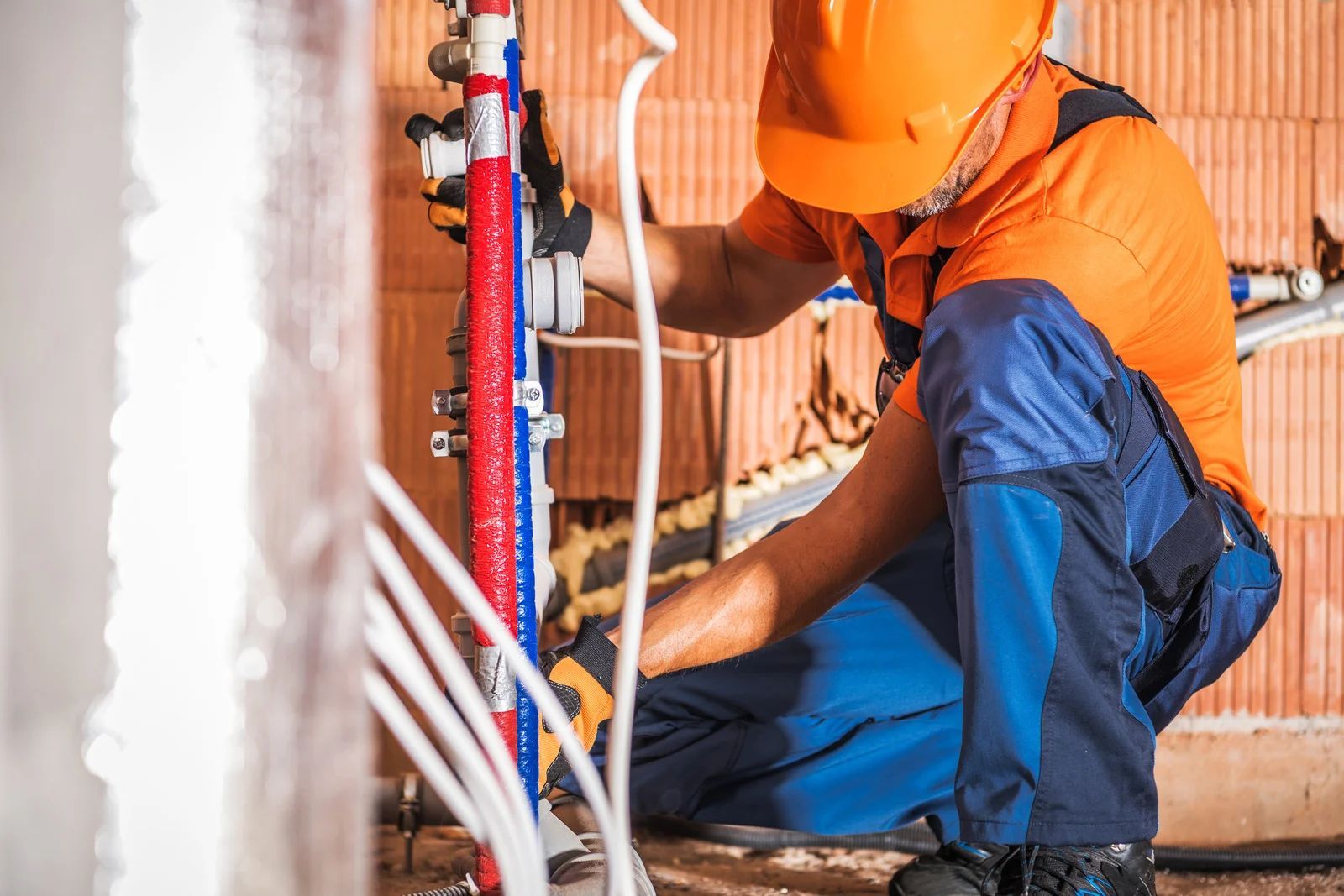
When you need trusted guidance on selecting or installing the right water heater, the expertise of a seasoned professional makes all the difference. SOS Services Plumbing in Springfield, MO, brings 30 years of hands-on experience to every project, helping homeowners make informed decisions that improve comfort, efficiency, and long-term value. Their extensive knowledge of both tank and tankless water heating systems allows them to deliver clear, practical recommendations tailored to each home’s unique needs and infrastructure. From evaluating household water usage to assessing installation requirements and providing transparent cost breakdowns, their team ensures you understand every step of the process.
With a strong commitment to quality workmanship, reliable service, and customer education, we have earned a reputation as a trusted authority in the region. Whether you're upgrading an outdated unit, addressing performance issues, or planning a high-efficiency home improvement, their professionals offer dependable solutions backed by decades of proven experience. For homeowners seeking confidence, clarity, and long-lasting results, SOS Services Plumbing
stands as a dependable partner for all water heater needs.